Aromatherapy has existed for nearly 3,500 years — the art and science of using oils drawn from aromatic plants and herbs to support health, emotional well-being and beauty.
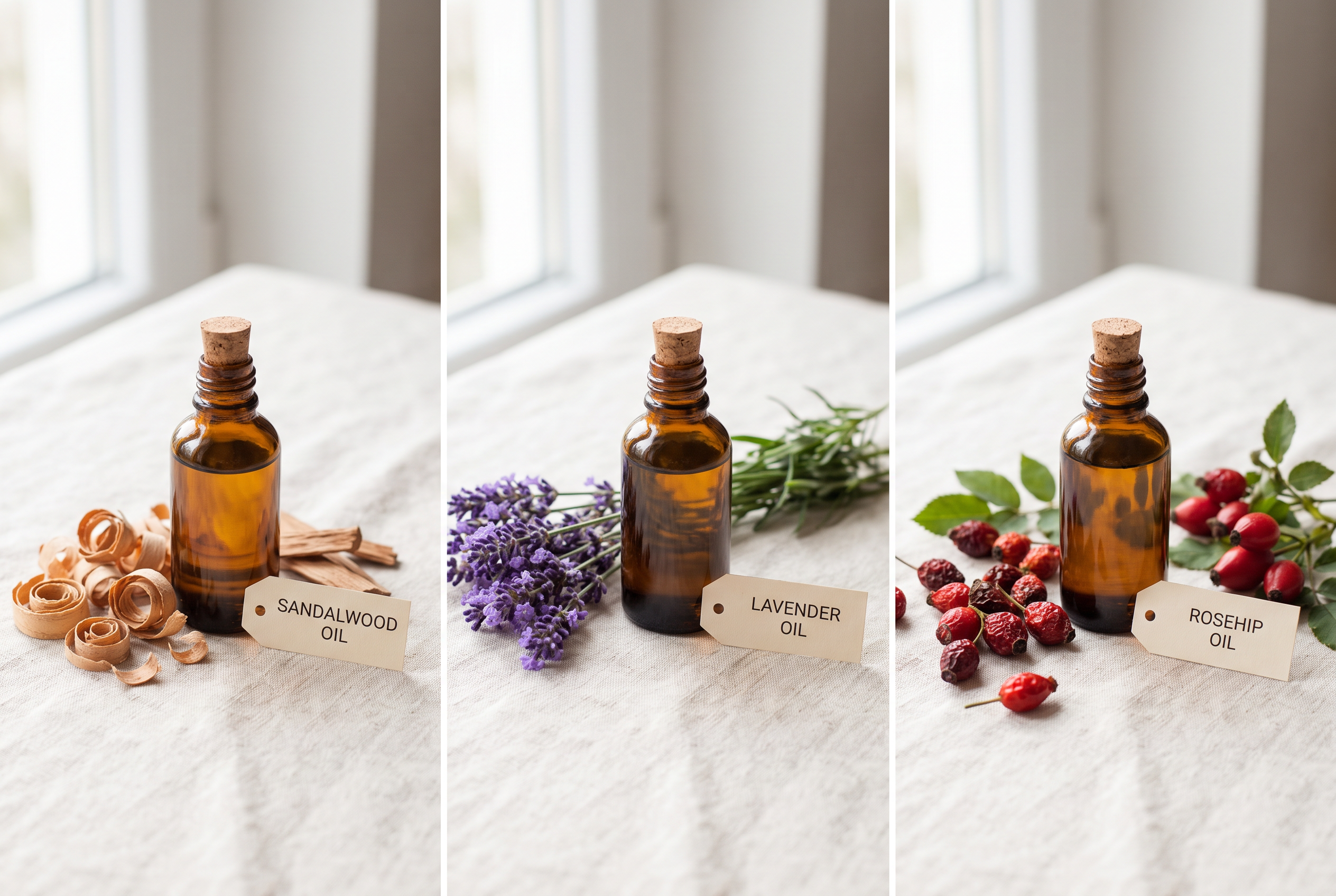
The essential oils used in aromatherapy are a plant's 'critical factors' — vital to its biology and the source of its scent. Synthetic oils, even when chemically similar, lack these natural constituents and are not a substitute. Oils are extracted from bark, herbs, spices, woods and flowers, usually by distillation; solvent extraction is acceptable only if no trace of solvent remains.
For massage
The most complete method, combining the oils' properties with the therapeutic power of touch. Never use oils undiluted — blend into an odourless carrier such as grapeseed, sweet almond or peach kernel. A dilution of about 3% is right, roughly one drop of essential oil to two millilitres of carrier. Only tiny amounts are needed.
For the bath and compress
A bath is a simple, pleasant way to relax and take in the oils, with water adding its own soothing value. Add about 10 drops to the water and soak while you breathe the vapour; use less for children. For a compress, add 10 drops to 50 ml of warm water, soak a cloth, wring it out and lay it on the affected area.
Inhalation and vaporization
For a steam inhalation, add 5–10 drops to a bowl of steaming water, drape a towel over your head and breathe the vapour for a few moments. Because all essential oils are antiseptic and evaporate readily, they also make fine air fresheners — relaxing sandalwood or clary sage for a gathering, brisk peppermint to clear the mind for focused work. A diffuser releases them slowly through the home.
As perfume
You can blend your own scent by mixing oils with a carrier oil or a non-fragrant alcohol. Experiment with different combinations until you find one you love.
Storing and blending
Light and heat degrade essential oils, so keep them in dark glass bottles with tight caps, upright, at a steady temperature — never in plastic, and always out of reach of children. Well-stored oils keep for several years, though citrus oils (orange, lemon, lime) fade sooner; patchouli, unusually, improves with age. When blending, use a fresh dropper for each oil to avoid cross-contamination, and measure drops carefully.