The plants are ancient; the word is modern. Aromatherapy as a named discipline is barely a century old, even though the materials it uses have been in service for thousands of years.
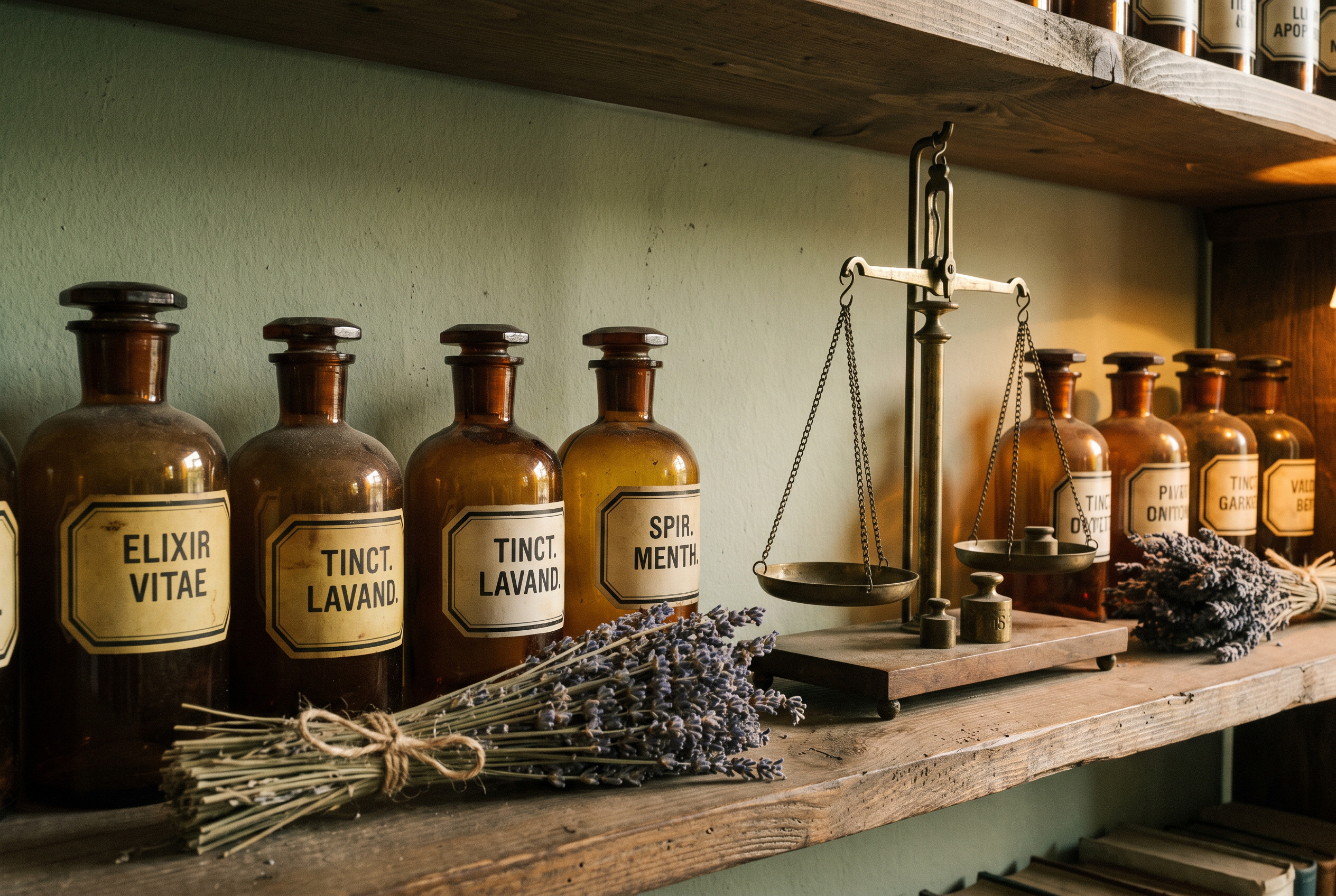
Aromatic oils run through the whole of recorded history — in Egyptian ritual, Greek medicine, Roman bathing, and the herbal traditions of China and India. The turning point for the modern practice came with distillation, perfected in the medieval Islamic world, which let people capture a plant's essential oil in concentrated form.
A chemist and a burn
The term aromatherapy was coined in the 1920s by the French chemist René-Maurice Gattefossé. The often-told story is that he burned his hand in a laboratory accident and treated it with lavender oil, and was struck by how well it healed. Whatever the exact details, his work turned attention to the therapeutic, rather than merely fragrant, qualities of essential oils.
Others built on it. Jean Valnet, a French physician, used essential oils in medical practice through the mid-twentieth century, and Marguerite Maury developed the methods of applying diluted oils through massage that many aromatherapists still use.
Aromatherapy today
Today aromatherapy sits alongside conventional care rather than in place of it. It is used for relaxation, for skin and body care, and to make a home or workspace more pleasant. The register has shifted from mystical to practical: we talk about which oil, how much, and how to use it safely.
That is the spirit we keep here — plain information about each oil, where it comes from and how it is used, so you can decide what belongs on your own shelf.