Alternative medicine and modern medicine differ in many ways — and who is to say which is best? Today we expect doctors and medicines to fix whatever ails us instantly, and a physician often looks only at the current physical problem when making a diagnosis.
Holistic medicine takes many more factors into account before suggesting a remedy. This kind of healing has been practised for thousands of years and can be quietly effective. It concerns itself not only with the physical complaint, but with the whole person.
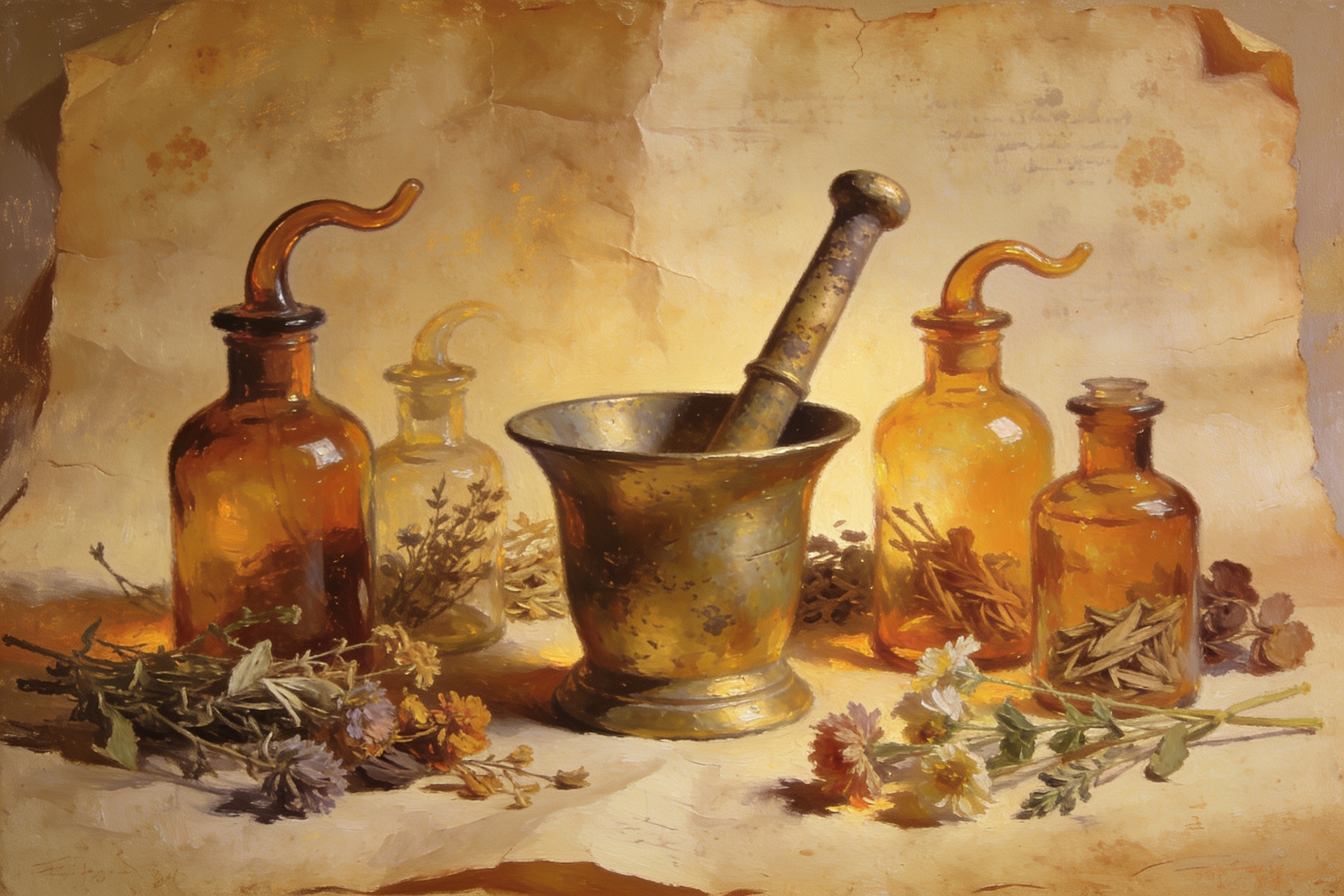
Alternative medicine includes massage, herbal teas and herbal remedies, and millions of people still turn to these approaches instead of — or alongside — modern medicine.
Different cultures developed their own traditions and treatments, and many have survived because they still work. Massage, which so many people rely on today, is one of the oldest; records of massage therapy reach back to ancient Egypt.
In early Europe there were two kinds of healer: the professional physician and the folk healer. The folk healer lived among ordinary people and cared for those who could not afford a physician. The village trusted the folk treatment, and it served them — a pattern that repeats across many other cultures.
In the West, philosophy and belief often guided the folk healer's search for a whole-person cure. The stories people told about their lives shaped the remedy they were given.
We now have faster, more precise medicine, but the older practices still have their place. Massage, aromatherapy, acupuncture, herbalism, meditation and other holistic approaches are used every day. Some have become so widely accepted that they are no longer thought of as "alternative" at all, and are supported by modern physicians.
The idea of alternative medicine has been doubted over the centuries, yet it has endured for one simple reason: it works. These natural approaches may act more slowly than a modern prescription, but given the chance they can be good for you overall.